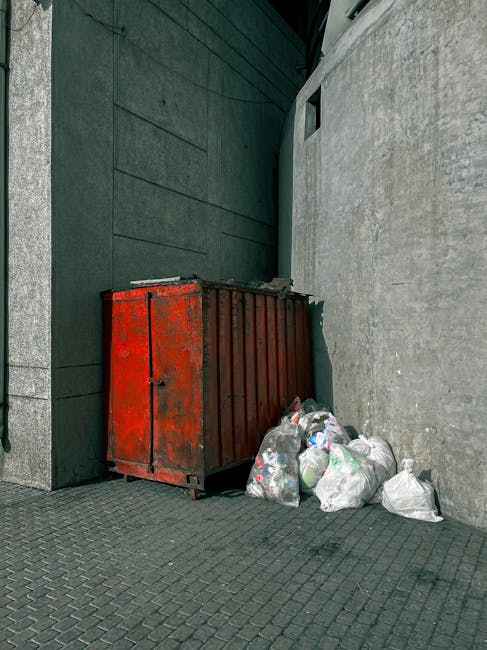
Avoid hidden charges in Millbank rubbish removal quotes
If you have ever compared rubbish removal prices and felt that uneasy little pause before clicking "book", you are not alone. Hidden fees can turn a straightforward job into an annoying surprise, especially when the quote looked fine at first glance. This guide on how to avoid hidden charges in Millbank rubbish removal quotes will help you spot the traps, ask sharper questions, and choose a service with confidence. Whether you are clearing a flat, a house, an office, or a pile of builders' waste, the aim is the same: know what you are paying for before the van turns up.
Millbank has its own rhythm. Tight streets, awkward access, basement steps, loading restrictions, and a mix of residential and commercial properties can all affect the final price. That does not mean you should accept vague pricing. It means you need a quote that explains the real job clearly. Simple enough in theory. In practice, it takes a bit of care.
Table of Contents
- Why hidden charges matter
- How rubbish removal quotes usually work
- Key benefits of transparent pricing
- Who needs this approach and when it makes sense
- Step-by-step guidance to avoid extra fees
- Expert tips for comparing quotes properly
- Common mistakes that trigger hidden costs
- Tools, resources and practical recommendations
- Law, compliance, standards and best practice
- Options and comparison table
- Real-world example
- Practical checklist
- Conclusion
- Frequently asked questions
Why Avoid hidden charges in Millbank rubbish removal quotes Matters
Hidden charges are not just a nuisance. They make it hard to compare providers properly, and they can leave you paying far more than you budgeted for. In rubbish removal, the final price is often influenced by the volume of waste, the type of waste, access conditions, labour time, parking, and disposal costs. If any of those are left out of the initial quote, the "cheap" option can quickly stop looking cheap.
In Millbank, that matters even more because the area often involves real-world complications: limited loading space, shared entrances, upper-floor flats, and mixed commercial buildings. A company that quotes too quickly without asking enough questions may be guessing. And a guess is not a quote, really.
There is also the trust issue. Transparent pricing is usually a sign that the company understands the job and knows how to explain it properly. That does not guarantee perfection, of course, but it is a far better starting point than a vague "from" price that looks cheerful and then grows teeth later.
Key takeaway: a good rubbish removal quote should explain what is included, what could change the price, and what will happen if the job turns out bigger or trickier than expected.
How Avoid hidden charges in Millbank rubbish removal quotes Works
The process is simpler when you break it down. A proper quote should be based on the actual waste, the amount of space it takes up, the type of items involved, and the conditions on site. If you want to keep the price honest, the provider needs enough information to price the job accurately.
That usually means describing the waste clearly, sharing photos if requested, and mentioning anything that might slow the team down. For example, a ground-floor office clearance with lift access is a very different job from a top-floor flat with a narrow stairwell and no parking outside. Same waste, different reality.
Most hidden charge problems happen when one of these things is unclear:
- the true amount of waste
- the type of materials being removed
- how easy it is to reach the waste
- whether the team needs to do heavy lifting or dismantling
- how long loading may take
- where disposal costs sit in the quote
If you are comparing broader clearance jobs as well, it helps to understand the service type first. Pages such as waste removal, home clearance, and office clearance can give you a sense of how different jobs are usually packaged.
To be fair, not every extra cost is a "hidden" charge. Sometimes the original quote simply changed because the actual job was different from the description. That is why accuracy upfront matters so much.
Key Benefits and Practical Advantages
Transparent pricing is not just about avoiding a bad day. It makes the whole removal process easier from start to finish.
- Better budgeting: you can plan the cost properly instead of leaving room for guesswork.
- Cleaner comparisons: you compare like with like, not a vague headline price against a fuller quote.
- Less stress on the day: the team arrives with a clearer idea of the work, which usually means fewer awkward conversations.
- Faster decisions: if pricing is laid out properly, you can choose a provider without second-guessing every line.
- Lower dispute risk: a detailed quote gives both sides something solid to refer back to.
There is another quiet benefit too: good quoting usually reflects good operations. A provider that can explain pricing clearly often has better systems for waste handling, safety, and customer communication. Not always, but often enough to matter.
If you are looking at service pages for a specific job, it can be helpful to check whether the provider explains disposal categories and special items clearly, such as on furniture disposal, fridge and appliance removal, or builders waste clearance.
Who This Is For and When It Makes Sense
Pretty much anyone arranging a clearance in Millbank should pay attention to quote transparency, but it matters most in a few common situations.
- Homeowners and tenants clearing out bulky household waste, old furniture, or post-move clutter.
- Landlords and letting agents needing quick, tidy property clearances between tenancies.
- Businesses and offices that want predictable costs for recurring or one-off removals.
- Builders and trades dealing with mixed rubble, packaging, timber, and leftover materials.
- People handling specialist items such as mattresses, appliances, confidential paper, or awkward junk that needs extra care.
It also makes sense if you are short on time. When a flat needs clearing by Friday or an office move is scheduled for Monday morning, there is no room for pricing drama. Nobody wants a van waiting while someone digs around for "additional disposal fees" that were never mentioned earlier. A bit grim, honestly.
If your project involves a specific type of clearance, browsing related pages like flat clearance, garage clearance, loft clearance, or garden clearance can help you spot which details are likely to affect the price.
Step-by-Step Guidance
Here is a practical way to protect yourself from surprise costs.
- List everything you want removed. Be specific. "Old stuff from the garage" is not nearly as useful as "two wardrobes, a broken lawnmower, five bags of mixed waste, and a bike frame."
- Take clear photos. Include wide shots and close-ups. If the waste is spread across rooms or on different floors, show that too.
- Mention access issues. Narrow staircases, no lift, permit parking, rear access only, basement storage, or long carries should all be disclosed early.
- Ask what the quote includes. Labour, loading, disposal, VAT if applicable, and any call-out or minimum charge should be clear.
- Ask what could change the price. A professional provider should be able to explain the triggers for extra cost without getting defensive.
- Confirm special item handling. Appliances, fridges, mattresses, sofas, confidential paper, or hazardous materials often need separate treatment.
- Get the quote in writing. An email or booking confirmation is much easier to refer to than a phone conversation you half-remember two days later.
- Check the cancellation and amendment terms. This is where people get caught out more often than they expect.
If the provider has clear pages on pricing and quotes or payment and security, that is usually a decent sign that they take the admin side seriously as well as the physical job.
A small but useful habit: before you agree anything, read the quote line by line and ask yourself, "What is missing here?" That one question saves a lot of awkwardness.
Expert Tips for Better Results
After many removals, a pattern emerges. The clients who avoid extra charges are not necessarily the ones with the smallest jobs. They are usually the ones who communicate clearly and compare quotes intelligently.
- Don't rely on a headline price alone. A low starting figure can hide a lot of assumptions.
- Compare the same scope of work. One quote might include labour to carry waste from upstairs, while another assumes it is already at kerbside. That is not a fair comparison.
- Ask about mixed loads. Some items cost more to process than general waste, so mixed waste jobs need clearer pricing.
- Be honest about volume. Understating the amount of waste usually backfires. A van that looks half-full on paper can become very full, very quickly.
- Check item restrictions. If you have specialist waste, make sure the provider is prepared for it before arrival.
- Keep a record of messages. A short written trail beats memory every time.
One simple trick: ask, "If the job is exactly as described, is this the final price?" It sounds basic, but you would be surprised how often that question flushes out extra conditions.
If you are comparing a variety of waste streams, useful supporting pages include mattress and sofa disposal, confidential shredding, and hazardous waste disposal. Those services usually need a bit more explanation than standard household rubbish.
Common Mistakes to Avoid
A few mistakes come up again and again. They are easy to make, especially when you are in a hurry.
- Not describing the waste properly. "A bit of rubbish" is not enough detail for accurate pricing.
- Assuming access is obvious. A provider cannot price a difficult staircase or parking restriction if you never mention it.
- Ignoring minimum charges. Some jobs are small but still fall under a minimum fee. That is normal, but it should be stated clearly.
- Forgetting special items. Fridges, freezers, and some appliances may need separate handling.
- Not checking whether disposal is included. If someone quotes only for collection but not lawful disposal, the price picture is incomplete.
- Choosing the cheapest quote automatically. Cheap and clear can exist together, but cheap and vague is where trouble starts.
Truth be told, the biggest mistake is usually speed. People are busy, so they skim the quote, nod along, and only notice the issue when the invoice lands. By then, the conversation is harder.
If you are not sure which service fits your situation, the broader waste removal page is a sensible place to start before narrowing into a specific job.
Tools, Resources and Recommendations
You do not need fancy software to avoid hidden charges. A few practical tools are usually enough.
- Phone camera: take well-lit photos of the waste and access points.
- Simple notes app: keep a list of what is being removed, plus any special instructions.
- Message history: save emails or booking confirmations so the agreed scope is easy to check later.
- Room-by-room walk-through: a quick scan before you request a quote can reveal items you forgot to mention.
- Service pages with detail: pages like house clearance and furniture clearance often help you understand what is typically included.
For customers who prefer to book neatly and keep things documented, book online can be useful if the site explains the process clearly and the quote details match your needs. If you still have questions after that, use the contact route that feels easiest for you. No need to make life harder than it already is.
And if you care about what happens after collection, the page on recycling and sustainability is worth a look. A transparent provider should be able to explain how waste is sorted, reused, or disposed of responsibly.
Law, Compliance, Standards, or Best Practice
Rubbish removal in the UK sits within a framework of general waste-handling expectations and duty-of-care principles. You do not need to become an expert in the fine print just to book a collection, but it is wise to know the basics. Reputable companies should handle waste responsibly, transport it lawfully, and be clear about what they can and cannot take.
For the customer, best practice is straightforward:
- describe the waste accurately
- avoid leaving out hazardous or specialist items
- keep a written record of the agreed service
- check that the provider explains disposal and pricing clearly
If a provider cannot explain how they manage safety, insurance, or payment processes in plain English, that is a sign to slow down. Pages such as insurance and safety and health and safety policy are useful indicators that the business takes its responsibilities seriously.
For business customers, this becomes even more important. Office clearances, confidential material, and mixed commercial waste often need clearer paperwork and stronger communication. A tidy quote is part of that. It is not just admin fluff; it is part of good practice.
Options, Methods, or Comparison Table
Different rubbish removal approaches come with different pricing styles. Understanding the model helps you spot where hidden costs tend to appear.
| Method | Best for | Common pricing style | Watch for hidden charges |
|---|---|---|---|
| Man and van rubbish removal | Mixed household or office clearances | Based on volume, labour and access | Extra labour, heavy items, difficult access, minimum charges |
| Specialist item removal | Appliances, sofas, mattresses, confidential waste | Per-item or item-plus-service pricing | Disposal surcharges, stair carry fees, item restrictions |
| Builders waste clearance | Trade and renovation debris | Volume, material type and loading conditions | Mixed material costs, weight issues, extra sorting time |
| Property clearance | House, flat, loft, or garage clear-outs | Usually quoted by scope and access | Unseen items, extra rooms, loft ladders, long carries |
In practice, the safest option is usually the one where the company explains the quote in the simplest possible language. Not fancy. Not slippery. Just clear.
Case Study or Real-World Example
Here is a realistic example. A Millbank resident needs a small flat cleared after a move: a sofa, a mattress, three chairs, several bags of mixed clutter, and a broken fridge-freezer in the kitchen. At first glance, it sounds like a straightforward half-van job.
Then the details come out. The flat is on an upper floor. The lift is small. The fridge is awkward to move. Parking is limited outside. Now the price has a few moving parts, and that is fair enough. The issue is whether those parts were explained from the start.
In a good quote, the provider would ask for photos, confirm access, flag the appliance removal separately if needed, and say whether labour time is included. If the customer mentions all that upfront, the final bill is much less likely to wobble.
Another common example is a small office clearance. The office looks tidy, but there are filing cabinets, monitors, confidential paper, and a few heavy desks hidden in separate rooms. The quote can go wrong if the business only describes "some office waste" rather than the actual mix. That tiny bit of vagueness can be expensive. It really can.
Practical Checklist
Use this checklist before accepting any rubbish removal quote in Millbank.
- Have I described every item clearly?
- Have I shared photos or enough detail for an accurate estimate?
- Have I mentioned stairs, lifts, parking, or access restrictions?
- Do I know whether labour, loading, and disposal are included?
- Have I asked about minimum charges or call-out fees?
- Have I checked whether special items may cost more?
- Is the price confirmed in writing?
- Do I understand the cancellation or amendment terms?
- Have I compared the quote with at least one other provider on the same basis?
- Am I confident there are no vague terms left unexplained?
If you can tick most of those boxes, you are in a much better place. No need for perfection. Just enough clarity to keep the invoice honest.
Conclusion
To avoid hidden charges in Millbank rubbish removal quotes, focus on clarity, detail, and written confirmation. The best quotes are not always the cheapest at first glance, but they are usually the easiest to trust. They explain what is included, what might change, and what the provider needs from you to price the job properly.
That is the whole game, really. Better information in means fewer surprises out. And once you get used to checking quotes this way, it becomes second nature. A bit like remembering to look for parking before you commit to a one-way street. Small habit, big difference.
Get a free quote today and see how much you can save.
For more background on the company's approach, you can also review the about us page and the terms and conditions before you book. Sometimes the plain details tell you more than a polished sales pitch ever will.
And if you are still comparing options, keep calm, take one more look at the details, and choose the quote that feels clear rather than clever. That is usually the safest move.
Frequently Asked Questions
How can I tell if a rubbish removal quote has hidden charges?
Look for vague wording, missing labour details, unclear disposal costs, and no mention of access issues or special items. A proper quote should explain what is included and what could change the price.
Is the cheapest rubbish removal quote usually the best one?
Not necessarily. A very low quote can leave out key parts of the job, which means the price may rise later. Compare the full scope of work, not just the headline number.
Should I send photos when asking for a quote?
Yes, if you can. Photos usually help the provider judge volume, access, and item type more accurately. That makes the quote more reliable and reduces the chance of a surprise later.
What details should I always mention before booking?
Tell them what items need removing, how much waste there is, whether there are stairs or lifts, any parking restrictions, and whether there are special items such as fridges, mattresses, or confidential papers.
Are hidden charges common in rubbish removal?
They are not inevitable, but they do happen when the job is not described properly or the quote is too vague. Clear communication on both sides is the best protection.
Can access problems affect the final price?
Yes. Narrow stairways, long carries, no parking nearby, or lack of lift access can all affect labour time and therefore the final cost. Those issues should be mentioned early.
Do special items cost more to remove?
Often, yes. Sofas, mattresses, fridges, appliances, and hazardous or confidential waste may need different handling or disposal. That does not make them a hidden charge, but it should be explained clearly.
What is the safest way to compare two rubbish removal quotes?
Make sure both quotes include the same work: the same items, same access conditions, same labour, and same disposal expectations. Otherwise you are comparing different jobs.
Should I get the quote in writing?
Absolutely. A written quote or booking confirmation makes it far easier to check what was agreed. It also helps if there is any disagreement later.
How do I avoid extra costs on the day of collection?
Be accurate, share photos, explain access, and ask what is included before you book. If anything changes between quote and collection, tell the provider as soon as possible.
Does a clear pricing page help me trust a provider more?
Usually, yes. A clear pricing page suggests the company is used to explaining costs properly. It is not a guarantee, but it is a good sign, especially when paired with clear service pages and policies.
What if I am not sure which service page fits my job?
Start with the broad waste removal information, then move to the more specific page that matches your situation, such as house clearance, office clearance, or builders waste clearance. That usually helps you understand the likely cost drivers before you request a quote.